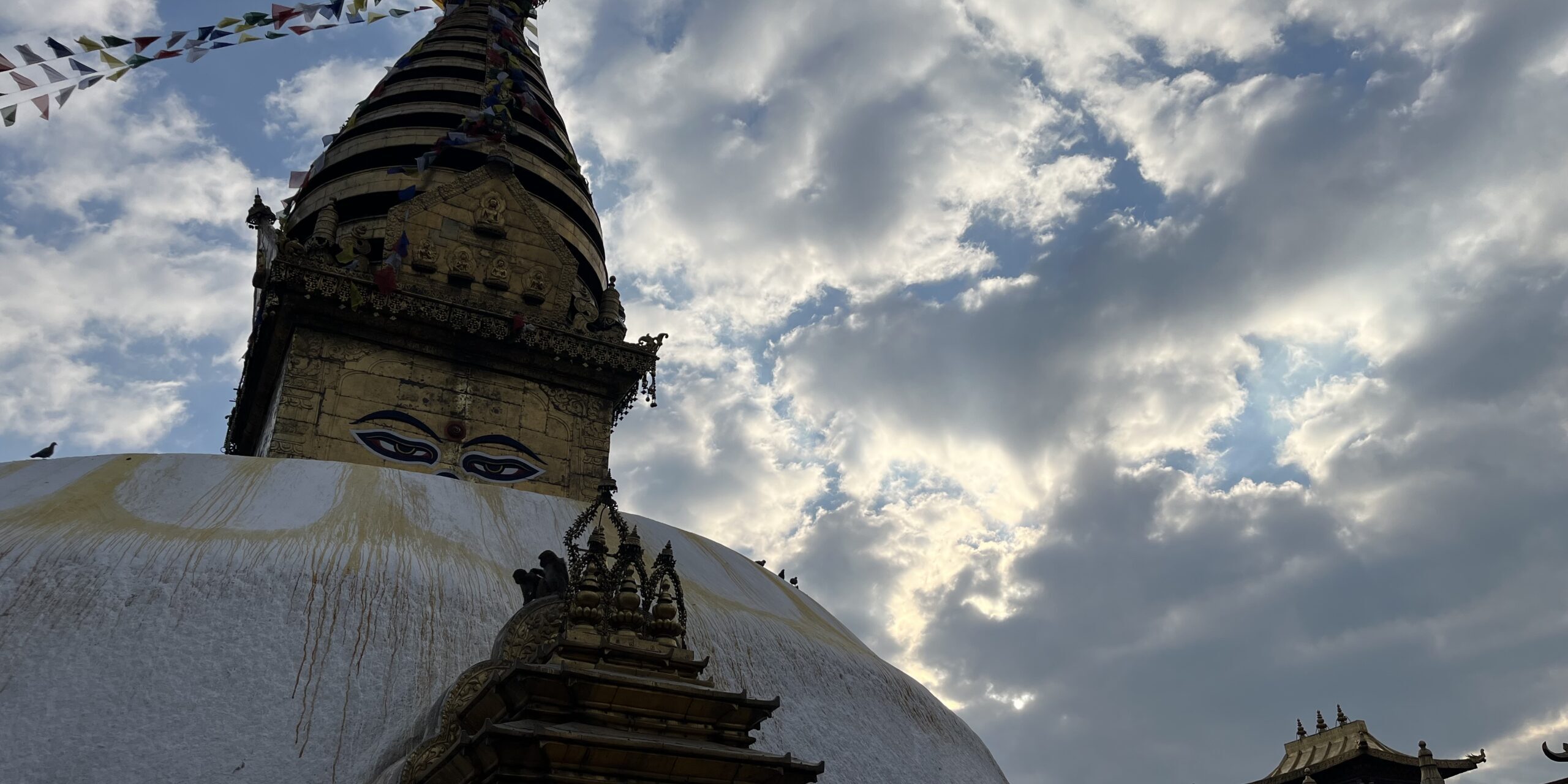
Nepal is one of the world’s most fascinating countries, with stunning natural features (from safaris to the Himalayas) and the warmest of people.
It’s also a country that has its own challenges, so based on our own experiences, here’s a guide of what you need to know before visiting Nepal.
Getting into Nepal
Tribhuvan International Airport is the Nepal’s main airport. Be sure to check if you need a visa here. A 15-day visa costs US$15 (children younger than ten don’t need one). Get this in advance in order to save yourself an extra hour at the airport. When flying in, aim to snag a seat on the right-hand side for a glimpse of Everest (and on the left-side when leaving).
Getting around Nepal
Taxis are cheap and available in the main cities. Apps like Pathao and inDrive are popular (inDrive doesn’t require you to have a local number; other apps do). If you hail a local taxi, negotiate the price before setting off.
To go between cities, you can take the local bus (not recommended due to safety concerns), tourist buses are slightly better and cost around 1500 rupees. All leave at 7am. Getting from Kathmandu to Pokhara takes around eight hours on a heavily pot-holed route. Some online sites claim the road is precarious (and two buses did fall down a cliffside in 2024 along the Madan Ashrit Highway, resulting in 65 deahts. The buses fell into the Trishuli River; neither vehicle was found). If you choose the bus option, take a mask as the routes are dusty and also mosquito spray during hotter months). Internal flights are quicker but are sometimes cancelled and also come with safety concerns (the EU currently has all Nepalese airlines on its blacklist). The most expensive, but also most reliable, option is private taxis – expect to pay between US$150 for Kathmandu-Pokhara and around US$100 for Pokhara-Chitwan and Chitwan-Kathmandu. Foreigners are not allowed to drive in Nepal (be grateful).
Phones
Various phone companies offer SIM cards at the airport. Ncell is the first one you’ll see but there are others just around the corner. Most offer unlimited packages for around 900 rupees (US$6.25) for two weeks. We found reception in more remote areas to be weak or non-existant.
Getting out of Nepal
Avoid anyone who tries to ‘help’ you with your bags; they’re looking for a tip. Be sure to exchange rupees before getting in the airport as there are no foreign exchange services after the check-in point. If you want souvenirs, don’t wait until the airport as there are only two small shops and one convenience store inside.
Nepalese food
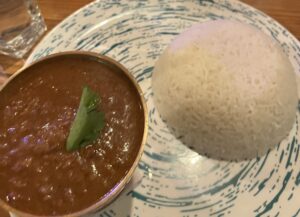
Momos are pehaps the national dish – very similar to dumplings but with a range of fillings and curry dips. Dal baht is omnipresent, while thukpa (a noodle soup with meat) and sel roti (a doughnut-like snack) are also worth munching on.


Buying things in Nepal
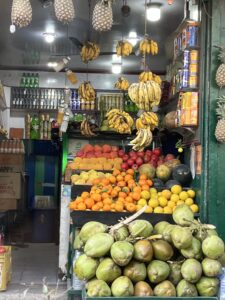
Cash is king here. Rupees come in 5, 10, 20, 50, 100, 500 and 1,000 notes (smaller notes are more useful for buying water and snacks). For larger purchases, such as tours or hotels, US dollars are accepted. Some places also take credit cards. It’s acceptable to ask for discounts for almost everything.
Tipping in Nepal
This is expected for most services – around 200 rupees should do the trick.
Electricity in Nepal
You’ll need an adapter for Types C, D, or M sockets.