Australia does its best to make you want to stay home.
The first sign I spot by a Cairns beach warns of crocodiles in the waters. This isn’t hyperbole; a quick scan of the pristine beach and cobalt waters reveals that nobody is even paddling.
Then there are the stingers. Be wary of these, the sign continues, especially from November to March.
Better stay on land then. But wait, the sign has more. You’ll need to be ‘Casso-wary’ to avoid the world’s most dangerous bird and then, of course, there are those deadly spiders and snakes.
Once you get past these moribund warnings, it turns out that Australia is one of the most welcoming places you can visit.
It’s a fascinating country with a unique history, incredible natural beauty and some of the most entertaining locals. Our three-week trip explored Sydney, a cool, hip coastal city and then Cairns, a far more relaxed, quieter place that’s greatest draw is the Great Barrier Reef.
We kicked off in Sydney, where we were met by the affable, and occasionally gruff, Les, who was taking us to the Blue Mountains. He started the day by yelling at a fellow guest.
‘Jeez mate, don’t chuck your butt on the floor’. Duly admonished for dropping a cigarette butt, the guest sheepishly boarded.
Les was soon sharing the history of his country, starting with an unlikely connection between Captain James Cook, who landed in Australia in 1770, and Star Trek. Star Trek creator Gene Roddenberry, Les explained, modelled Captain Kirk on Captain Cook, the USS Enterprise was based on Cook’s HMS Endeavour and Cook’s diary note about wanting to go ‘farther than any man has been before me’ may have inspired Kirk’s pledge ‘to boldly go where no man has gone before’.
Blue Mountains
We head towards the Blue Mountains, so named after the shimmering blue haze that appears when oil droplets from eucalyptus trees mix with sunlight. Getting there is half the fun. The world’s steepest passenger train shoots us up 310 metres at a 52-degree incline. A cable car then provides views of the Three Sisters rock formation and the rest of this jaw-droppingly vast UNESCO World Heritage Site and Les casually tells us how he survived getting struck on the head by lightning.
He also explains how great the Lincoln Rock’s grand panoramic vistas are at sunset. This is followed by an admission that we won’t be seeing that today thanks to Jennie from BlackPink. A 2023 Instagram post of her sitting on a rock overhang meant so many fans flocked to sit there that a small divot formed in the stone, and they shut the place down.
Back in the city centre, Sydney Opera House and the harbour bridge rightly grab most of the headlines but some of the best spots are a short ferry ride away. Thanks to Sydney’s superb public transport (get an Opal card as soon as you land), beaches like Manly’s, Watson’s Bay and Bondi are easy to reach. Watson’s Bay has a small park with the jetty and beach on one side and jagged cliff faces on the other. It sounds idyllic, though we spend our lunch dodging seagulls while attempting to eat fish and chips.
Evenings are best spent in downtown Sydney, where a host of trendy office-types mingle in wine bars and cafes. It’s pricey and chic – Les scoffs at those and recommends a Viking-style pub where they have 500 whiskies. I make a mental note for next time.
Cairns
Our football goes flying into some bushes and my son goes off in search. Then stops.
‘There’s a giant yellow spider in here!’ he yells. True enough, an apocolyptic-looking spider is sitting there, having woven a large white cross in the centre of its web. Just to make it worse.
A boy comes past and grins. ‘It’s ok, there’s another one over there. Oh, and another here.’
This, it turns out, is the St Andrews Cross Spider. Being named after a saint who was crucified isn’t particularly comforting but my new young friend tells me it’s harmless. Cairns’ Botanical Gardens are full of surprises. As well as horrific-looking spiders and annoying caterpillars, there are also plenty of wild turkeys and ducks, who live among the spacious grounds and waterways.
Cairns is that kind of place. Far more relaxed and less developed than Sydney in the south, it’s full of natural wonders (and reasons to stay out of the water). Among the must-see places are Kuranda, a mountain-top village first developed in 1885 to meet the tin and gold mining demand.
The day trip there starts with a two-hour ride from Cairns Central Station on the Kuranda Scenic Railway. Kuranda itself is a tourist town packed with attractions and, to be fair, some decent-quality souvenirs. It also boasts a butterfly farm and mini golf course, but the remnants of a 70s’ hippie commune in the ‘original market’ are far more interesting.
The Skyrail takes passengers down along what was once the longest cable car in the world, stretching more than 7km back down towards northern Cairns. On the way you can get off at Red Peak, where rangers offer free tours, or there’s a second stop at Barron Falls.
The Great Barrier Reef
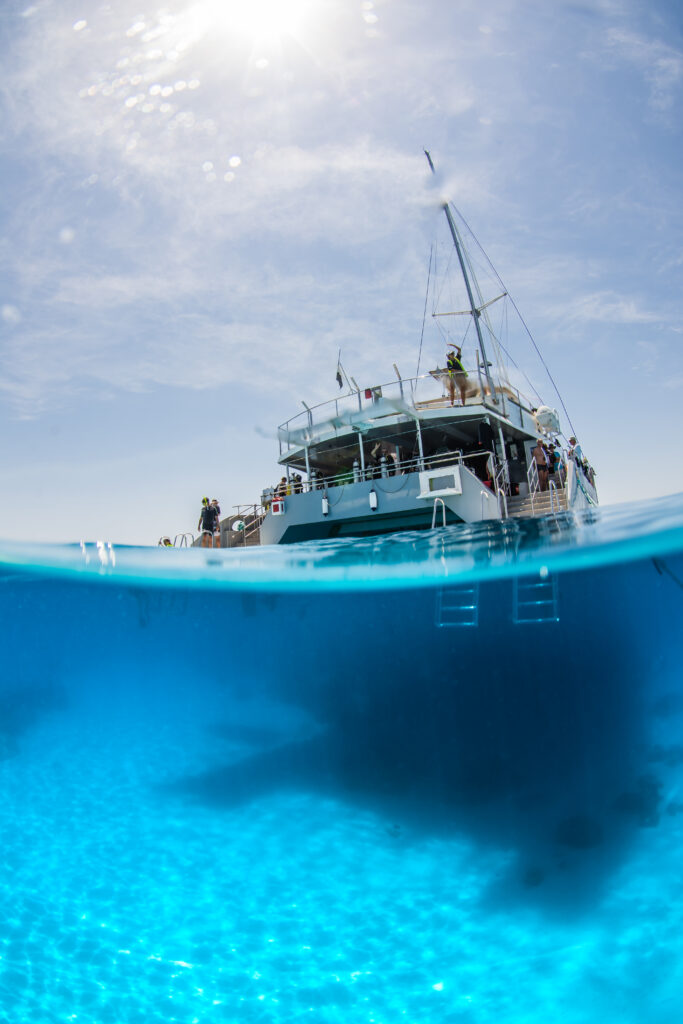
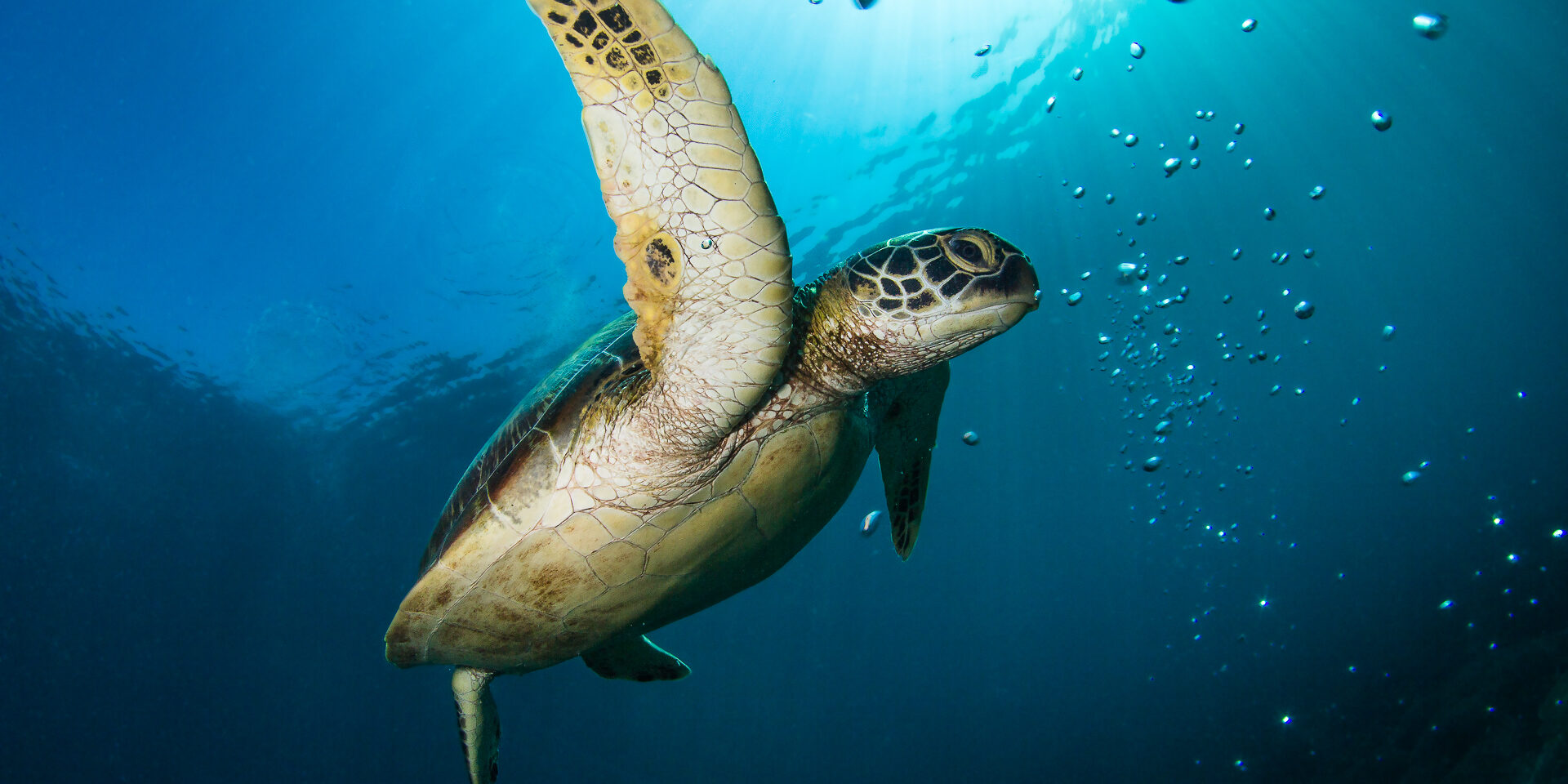
Farther north is the Daintree rainforest, which predates the Amazon by a mere 100 million years or so. To put in perspective, there are more plant species in one hectare here than there are in the entire UK. Of the numerous places to explore, Cape Tribulation is one of the most fascinating. It’s the only place on the planet where one World Heritage Site (Daintree) touches another (the Great Barrier Reef). Admittedly, it is the reef – the largest living structure on Earth – that is the real draw here. It stretches for 2,300km and includes around 3,000 reefs. On our trip we head to the crescent-shaped Hastings’ Reef, where the reds, greens and yellows of fish flash past as they dart in and out of the coral. After two hours of sailing from Cairns, we are treated to huge wrasse, clown fish and hundreds of fusilier fish moving as one, then gently splitting into two as they explore different parts of the reef. Every other shop in Cairns offers trips out; we opted for Passions of Paradise due to the coral-generating work they do (Nat Geo discuss it here).
Thankfully, the crocs don’t make it as far as the barrier reef so it’s a relatively safe place to snorkel or dive. If it’s crocs you want, though, head to Hartley’s Crocodile Adventures. A ‘croc cruise’ takes visitors around a man-made lagoon, using chicken as bait to tempt the crocs closer and leap for the food. The ‘croc attack show’ is the highlight, where trainers work with ‘Hagrid’, a five-metre beast with a mean streak. Drew, who’s been doing this since 1989, adds a good sprinkle of croc facts to the show. For example, they can swim at 27kph – three times an Olympic swimmer going full pelt. Of the few croc attacks each year, Aussies tend to be the victims, largely thanks to the effects of alcohol and a ‘she’ll be right’ approach to life. Drew tells of two guys who, while camping, saw a four-metre croc on a nearby bank. They bet that they could swim to the other side and back before it moved. They got across but, on the way back, one disappeared. When his friend scrambled to the bank, he noticed the croc was still on the bank. It’s always the one you don’t see that gets you. During a Q&A session, someone asks the obvious question: ‘have you ever been bitten’.
‘Mate, if I had, you would notice’ Drew replies, with a grin.
For some top tips on travelling around Australia go here.
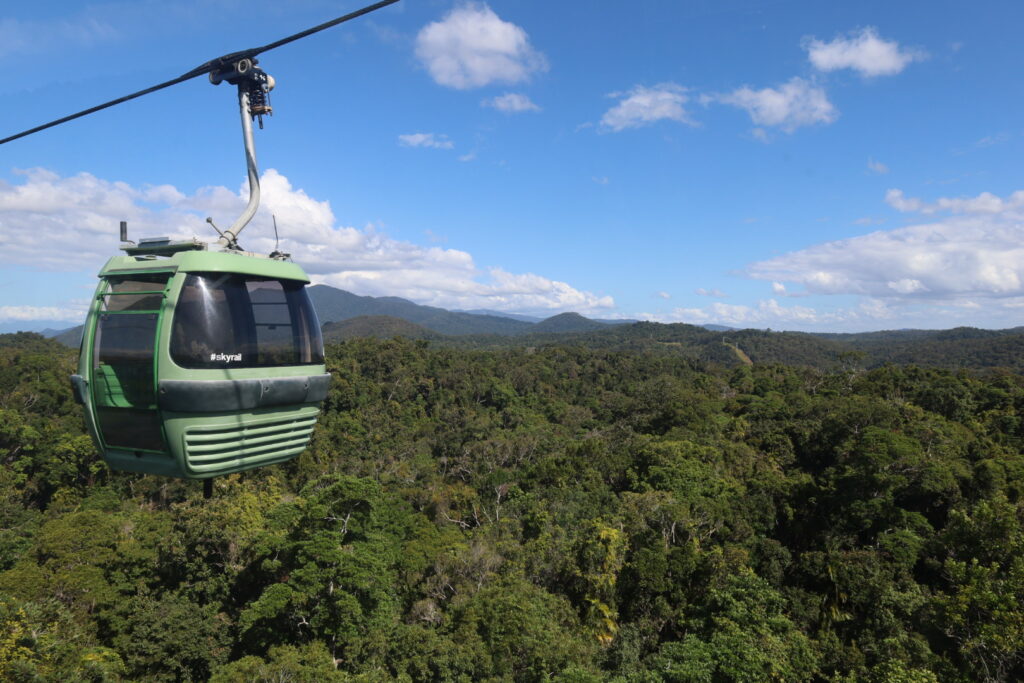
The Skyrail takes visitors to Karunda, the village in the mountain.
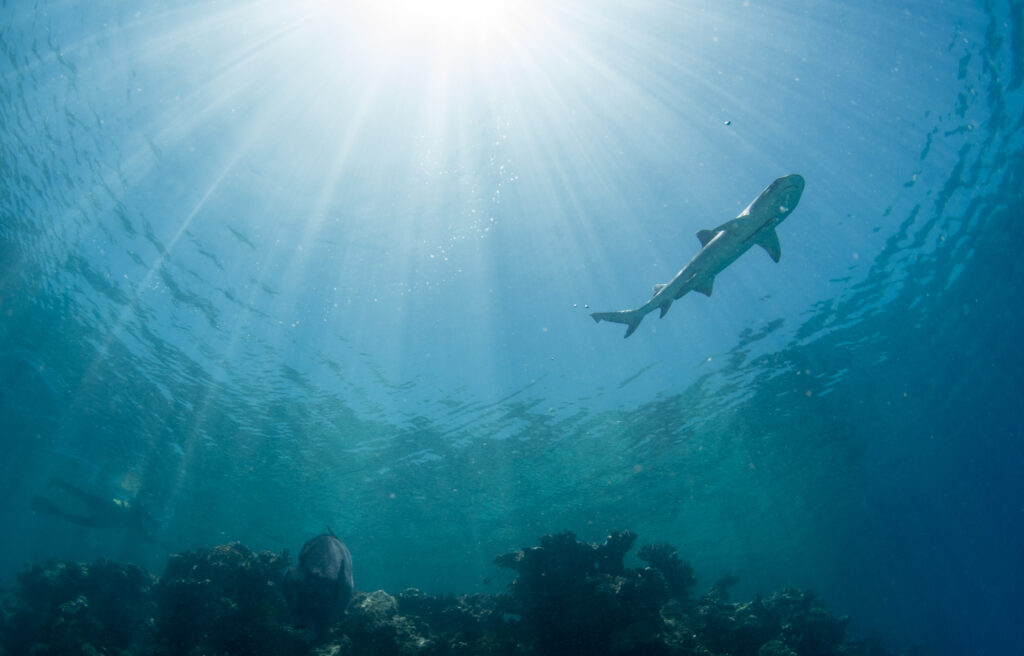
Hasting’s reef at the Great Barrier Reef.
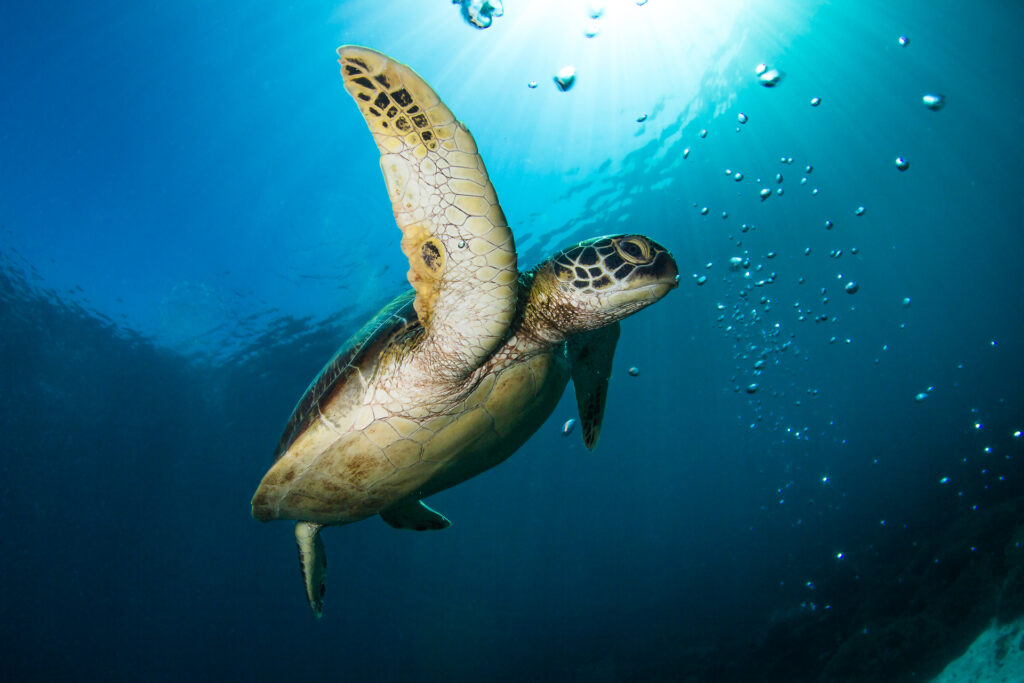
Hasting’s reef at the Great Barrier Reef.
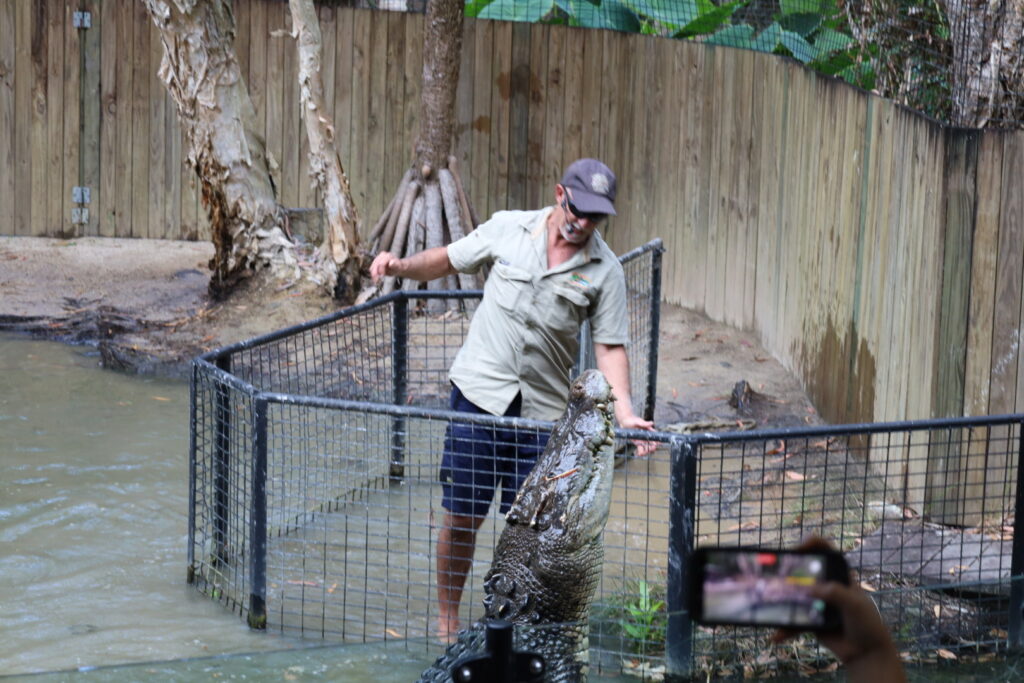
Hartley’s Crocodile Adventures

Cairns’ Botanical Gardens
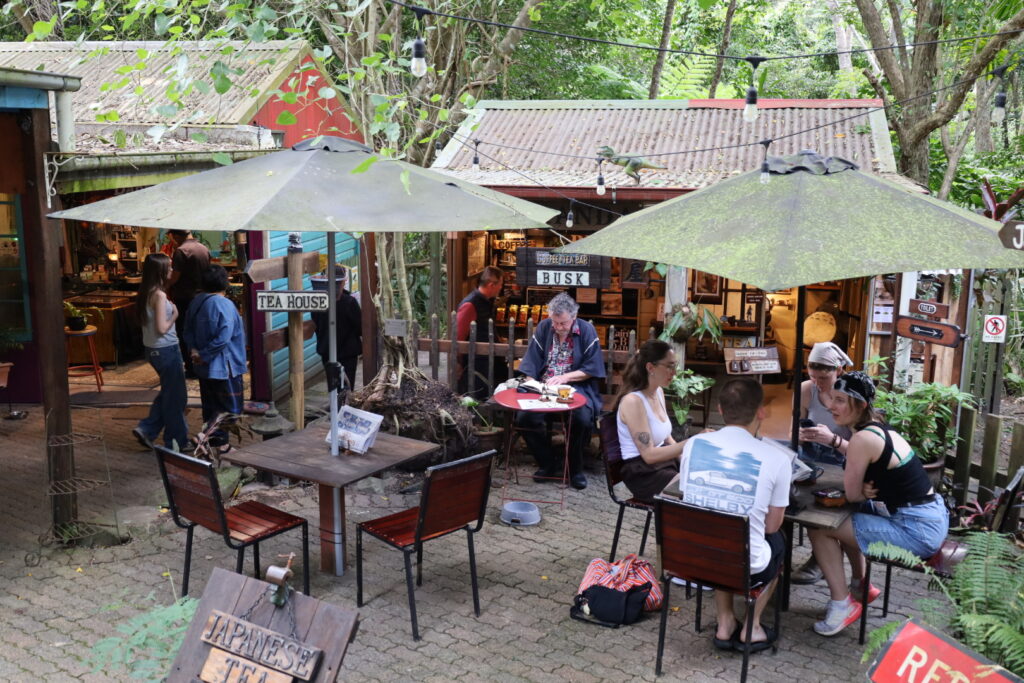
The original market at Kuranda.