My first ten minutes in Japan were spent staring at a picture of a lemon.
The lemon is Japan’s first example of helpfulness, as the lemon is there as a guide to how your salivary glands may be persuaded to produce enough saliva to pass a covid test.
From the airport, where dozens of staff are on hand to usher you in the right direction, it is a short drive into the city that is to be our new home, Osaka. We check in at an Airbnb thanks to a small screen by the entrance where an efficient online receptionist greets us.
And then we’re ready to explore. Over the next few weeks, we immerse ourselves in Japanese culture and start to discover Osaka. For our children, it ticks every box – there’s one of the world’s largest aquariums (home to a couple of whale sharks), Universal Studios Japan, and some enormous parks.
It is a city of contrasts and surprises at every turn. This is a culture that prides itself on being incredibly efficient, but then the lady at the bank is using a version of Windows 7. It’s a city that is slick and modern, yet its port has been a gateway to Japan for centuries.
To try to explain more of this, here are the five key things I’ve noticed so far that seem to sum up the culture:
Recycling: Japan takes recycling seriously. When we move to our new apartment, the instructions make it clear that we can get up to all kinds of debauchery, but it’s vital that we put the cardboard out every other Monday. We are supplied with official recycling bags and get our first note of admonishment when we happen to put one bag out without the prerequisite city logo on. When we finish a carton of milk, there are instructions on the side for how to carefully disassemble it (the plastic lid goes in one place; the cardboard in another). It takes some adjusting to, but you have to admire the dedication to recycling, and the environment.
Waiting: I mistakenly thought us Brits were good at queuing. But no, Japan reaches new heights when it comes to forming a line. Red lights for pedestrians result in a queue of people, one behind the other, waiting patiently for a green light (or are they blue?) On train platforms, there are very precise signs about where to stand that will line up perfectly with where the train stops (and it will arrive exactly when it’s meant to). Google Maps will even tell you which carriage is busier than others.
Politeness: A Japanese friend suggested we should give our new neighbours a welcome gift. She wrote a note in Japanese offering our apologies for our children’s noise, our lack of Japanese, and in fact the general inconvenience of having us as neighbours. I suggest buying them some food but am told a bottle of detergent is the perfect gift. After all, the neighbours may dislike the food but we pick, but everyone needs detergent. The level of selflessness and consideration for others here is wonderful and is something that seems to run deep in the culture.
Paperwork: For a country that is such a world leader in technology, Japan does like its paperwork. Newbies like us need to register their address at the local city office. There, I am presented with a seal known as a hanko, a cylindrical stamp with my surname at one end (almost like an official stick of rock). This takes the place of my signature for any large purchases and I am told, in earnest tones, that I should not lose this. When we move to our permanent address, I need to visit my new local city office and register myself. There, a worker explains that my hanko has a problem because it has lower case characters, but the signature I gave was in capitals. It doesn’t seem like a big deal, but it is and suddenly my ‘signature’ isn’t accepted. I explain my situation to a wonderful translator who does her best not to raise her eyebrows at the problem, then confides in a whisper ‘my friend has a picture of Pikachu on hers’.
Helpfulness: When we board trains, people nearly always give up their seats for my children. When you order a taxi, the door swings open automatically. The drivers themselves are fantastic. They tend to be on the older side, dress in a full suit topped off with a hat, and greet me with a cheery welcome. They then make a note of my ride on paper and squint hard at my Google Map, then even harder at my mangled Japanese directions. We smile apologetically at each other and eventually find my destination.

Osaka Museum of Natural History

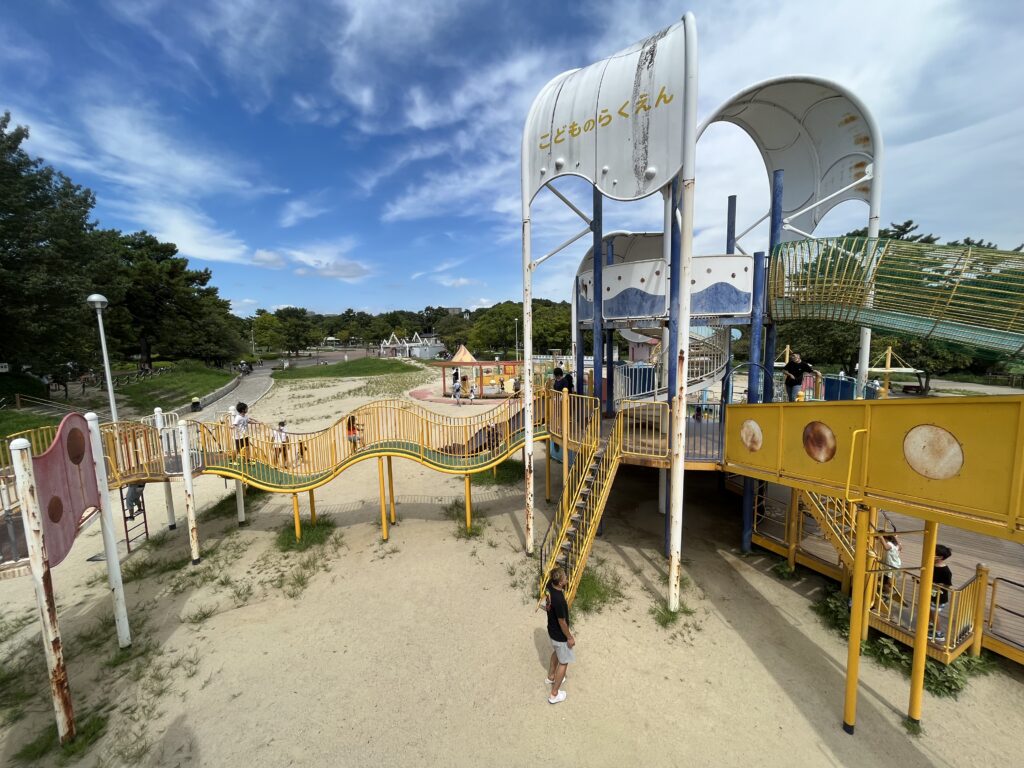
Hattori Ryokuchi Park
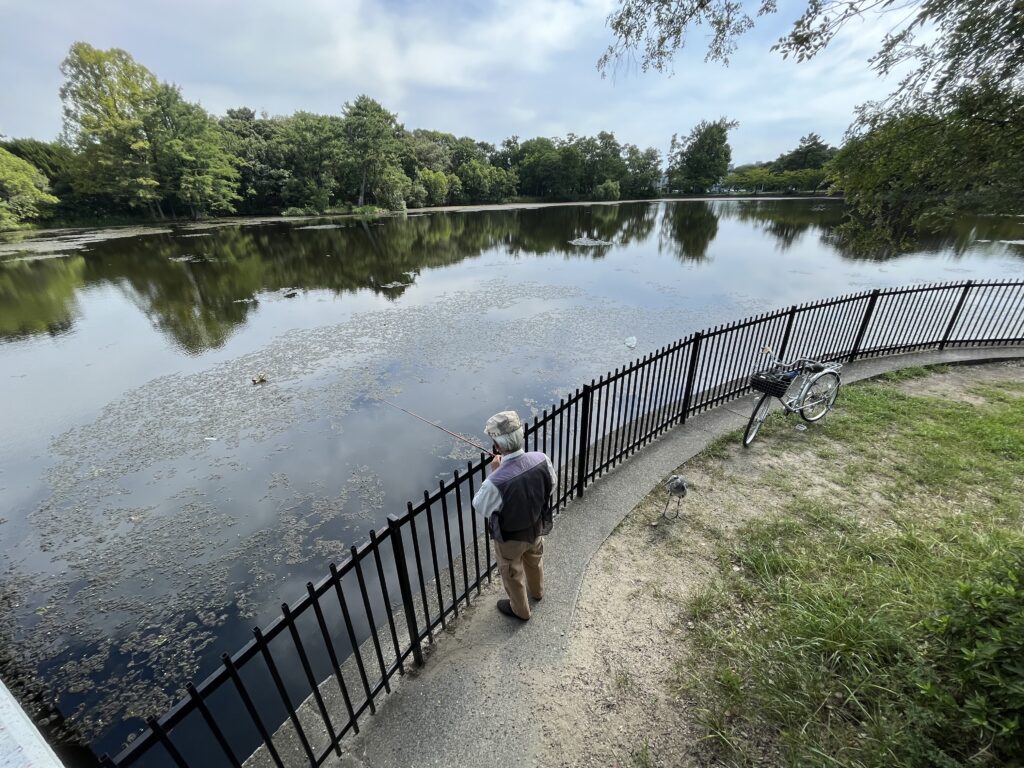
Hattori Ryokuchi Park