Yesterday, a box of eggs arrived.
In normal circumstances, this would go unnoticed in our household, but there are only a few remaining scraps of normal left around these parts.
Admittedly, two of the eggs were smashed and the pork that accompanied them had turned a strange shade of green, but this was, undeniably, still food.
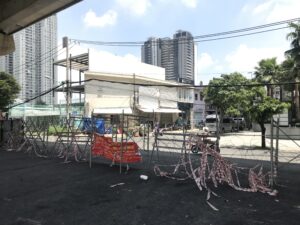
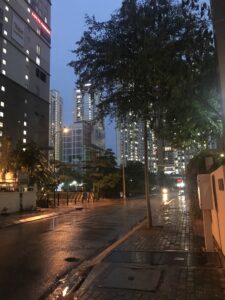
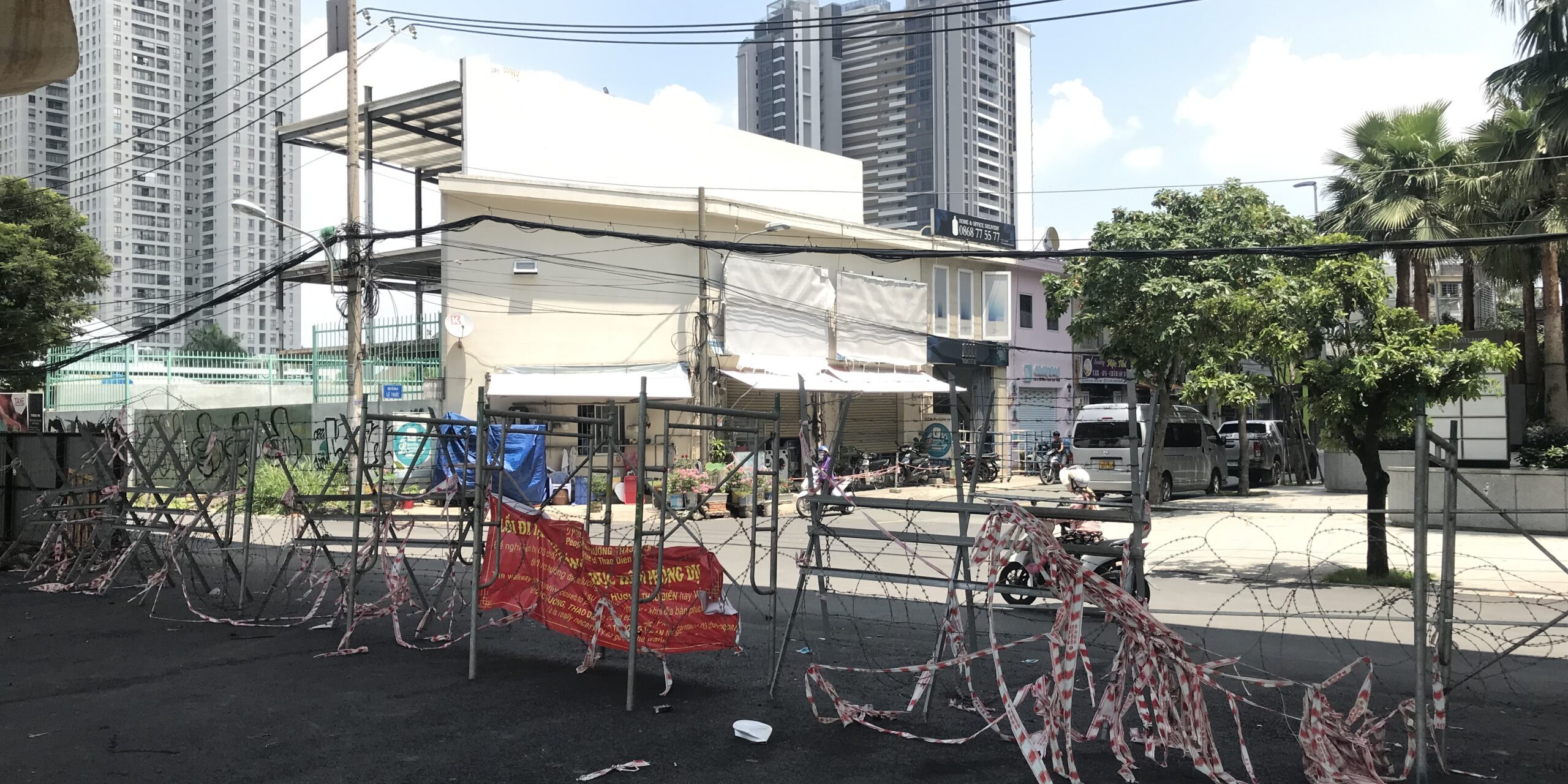
For the past three months, Ho Chi Minh City in Vietnam has been in lockdown. And for the past week, it has been in the mother of all lockdowns. This meant nobody in the city has been allowed to leave home. Not to go and collect food deliveries, not to nip over the road for some water, and definitely not to head out for 30 mins and exercise. Barbed wire blocks the entrances to the city’s main roads and armed soldiers check the papers of those who try to pass.
Having seen the country’s Covid cases rise above 10,000 a day, the government decided to slam on the emergency brakes. It announced that it had given Covid a deadline of September 15 to pack its bags and leave. In terms of deadlines, this seems about as likely to succeed as Afghanistan getting any kind of humane leadership post-August 31, but there you have it.
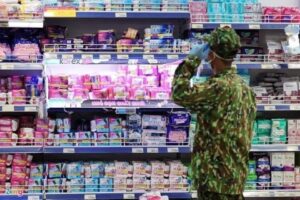
However, the Vietnamese authorities had a plan. Although everyone would have to stay home all the time, there was no need to panic because the military would go out to collect orders and deliver them to everyone who needed food. Which, of course, was everyone. Panic duly ensued and I was one of those who spent hours in supermarkets stocking up on canned food and rice, not quite in line with the plans for social distancing. Despite this, the level of calm resignation among the shoppers was palpable – none of this ‘grab all the toilet rolls and run‘ mentality that other places have seen.
Supplying food to Saigon’s nine million people with the help of a few thousand troops was never going to work. It was akin to the feeding of the 5,000 with a few dozen bánh mì and some fish.
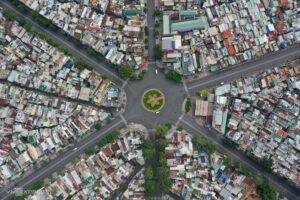
Source: VNExpress
We gamely played along, ordering food and patiently waiting. And waiting. It became clear that this city-wide delivery programme could never meet demand. We’re in a fortunate position and will be fine, but there are many vulnerable people in the city struggling to cope with such limited supply. Thankfully, the authorities have realised their plan is flawed and are starting to allow more delivery drivers onto the streets (who will all be tested daily before being allowed out).
Things are likely to remain in lockdown for several months, though. While the numbers are relatively low for a country of 97 million, the pace of vaccinations has been glacial, so it will take time before any kind of herd immunity emerges.
In the meantime, Facebook groups have gone into meltdown. There are currently two trends: ‘how do I get to the airport?’ and ‘how can I order food and water?’ For once, online users have rallied together to offer a range of suggestions and many offers of help. Several restaurants have also been generous, preparing thousands of dishes and handing them out to those in desperate need.
Vietnam was rightly praised for the way it initially coped with the pandemic. For a year, it was virtually watertight with only 35 deaths. Now, the death toll is more than 10,000 but the hard lockdown is having some effect – the numbers are growing, but not exponentially. Until the numbers drop significantly though – and that will only come about when the vaccinations are truly nationwide – the country will continue the cycle of opening up and locking down.
Source: Covid-19 Updated Information for Foreigners